
What You’ll Eat on Safari and on Kilimanjaro
Good food is part of a great trip. This guide to Tanzania safari food covers what you’ll eat each day in the national parks, the meals that keep you going on a Kilimanjaro climb, the local and international dishes on the menu, and how to arrange special orders.
Tanzania Safari Food: A Typical Day of Meals
Most safari days start early and follow the rhythm of the wildlife. Meals are planned around your game drives, so you eat well without missing the best sightings. At lodges and tented camps you’ll usually find a mix of international dishes and Tanzanian favourites, with plenty of fresh fruit and vegetables.

Coffee or tea
A hot drink before the first game drive, often with a biscuit or a light snack while the air is still cool.
Full breakfast
Eggs cooked to order, toast, pancakes, fresh fruit, juice and porridge, either at the lodge or as a breakfast in the bush.
Picnic or hot lunch
On long game-drive days, a packed lunch box is eaten at a picnic site in the park. On shorter days you return to the lodge for a hot lunch.
Sundowner
Some camps offer a drink and light snacks as the sun sets over the savanna, a favourite moment for many guests.
Dinner
A two- or three-course dinner: soup, a main course such as grilled meat, fish, curry or pasta with vegetables, and dessert.
Picnic lunch boxes usually include sandwiches or wraps, a piece of chicken, fruit, a muffin or cake, juice and water. They let you stay out in the park longer, for example on a full day in the Serengeti or the Ngorongoro Crater.
Food on Kilimanjaro: What You Eat on the Climb
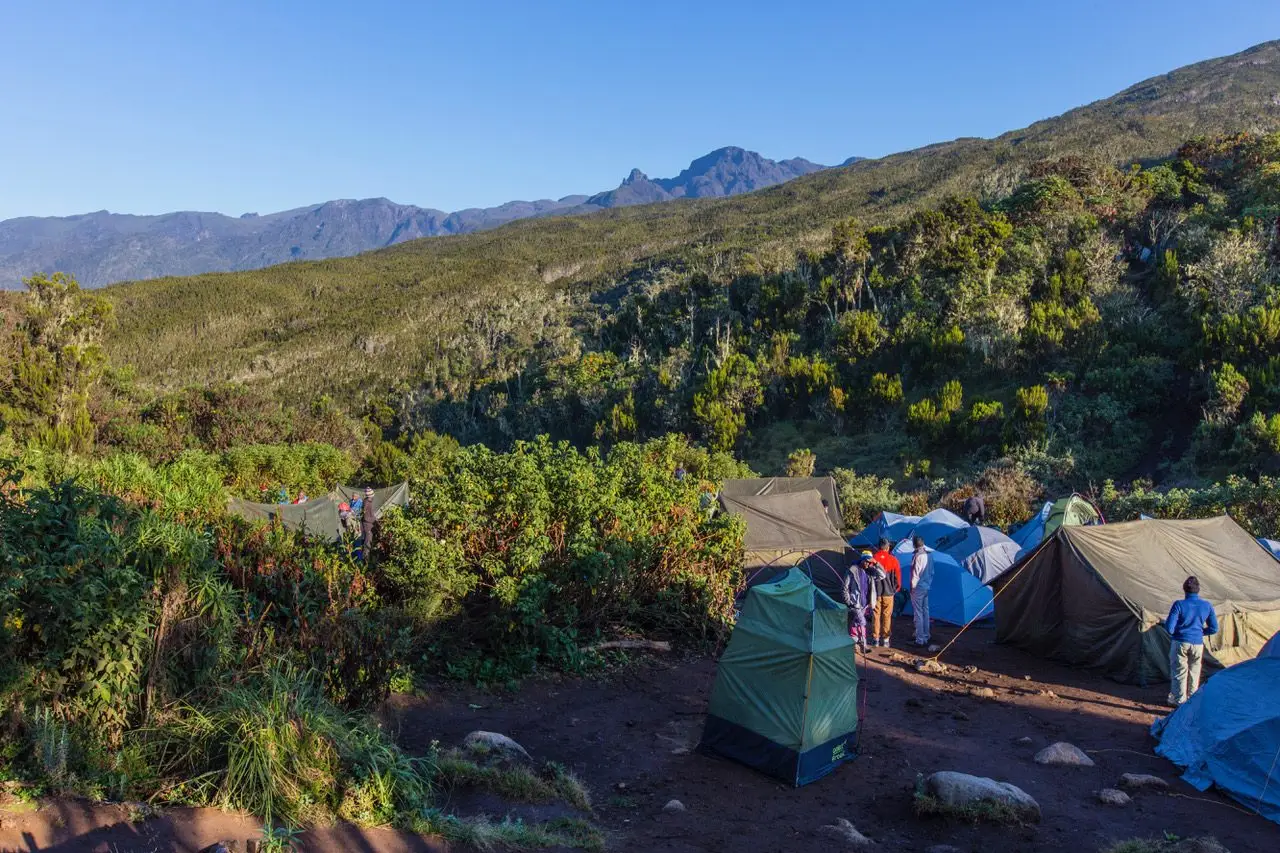
On a Kilimanjaro climb, a mountain cook travels with the crew and prepares fresh meals at every camp. Food is carried up by porters and cooked on gas stoves, and meals are served in a mess tent so you can eat sitting down, out of the wind and cold.
Tea in your tent
A hot drink and warm water for washing are brought to your tent to start the day.
Fuel for the trail
Porridge, eggs, toast, sausages, pancakes and fruit, with tea, coffee or hot chocolate.
Hot or packed
Either a hot lunch at camp or a packed lunch on longer stages: sandwiches, boiled eggs, chicken, fruit and juice.
Tea and snacks
On arrival at camp: tea, coffee, popcorn, biscuits or roasted peanuts while you rest.
Three courses
Soup to warm up, then a carb-rich main such as rice, pasta or potatoes with meat or vegetable stew, and fruit for dessert.
Hiking at altitude for hours burns a lot of energy, so meals are filling and rich in carbohydrates.
Many climbers feel less hungry higher up. Eating small amounts often helps your body keep going.
Aim for around 3–4 litres a day. Water is collected on the mountain and treated or boiled before drinking.
On summit night you’ll start the final climb very early, usually after tea and biscuits. Keep a few of your favourite snacks in your jacket pocket so they don’t freeze, and have a proper meal once you’re back down at camp.
Local Tanzanian Dishes to Try
Between game drives, in Arusha or in Zanzibar, try some of the local food. Tanzanian cooking is simple, fresh and full of flavour, with Swahili coastal dishes using coconut and spices.
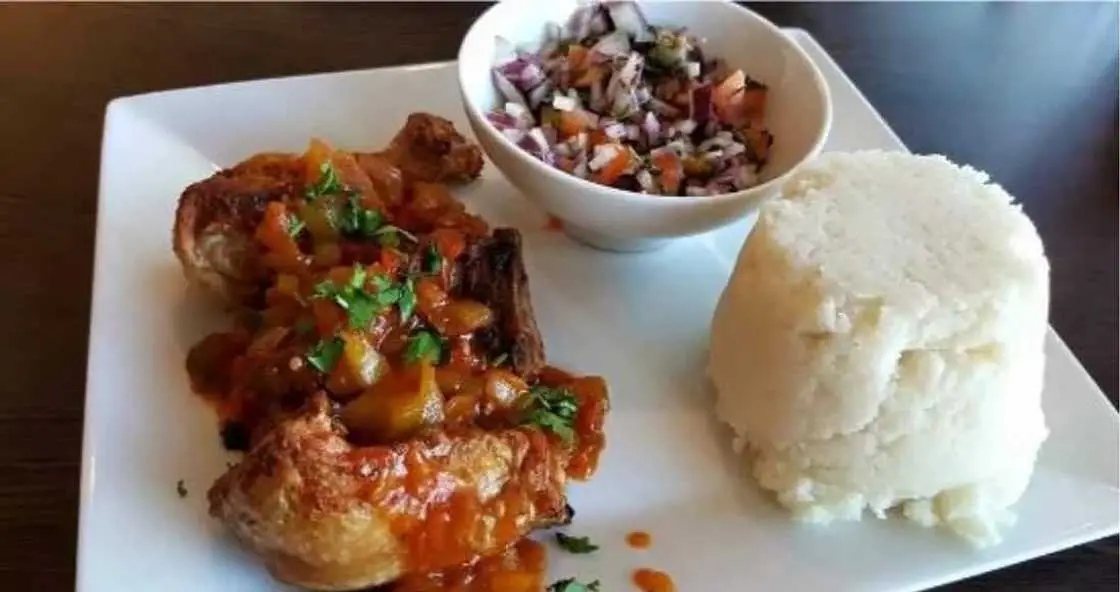
Ugali
A firm maize-flour porridge eaten with your hand and dipped into stew, greens or grilled meat.
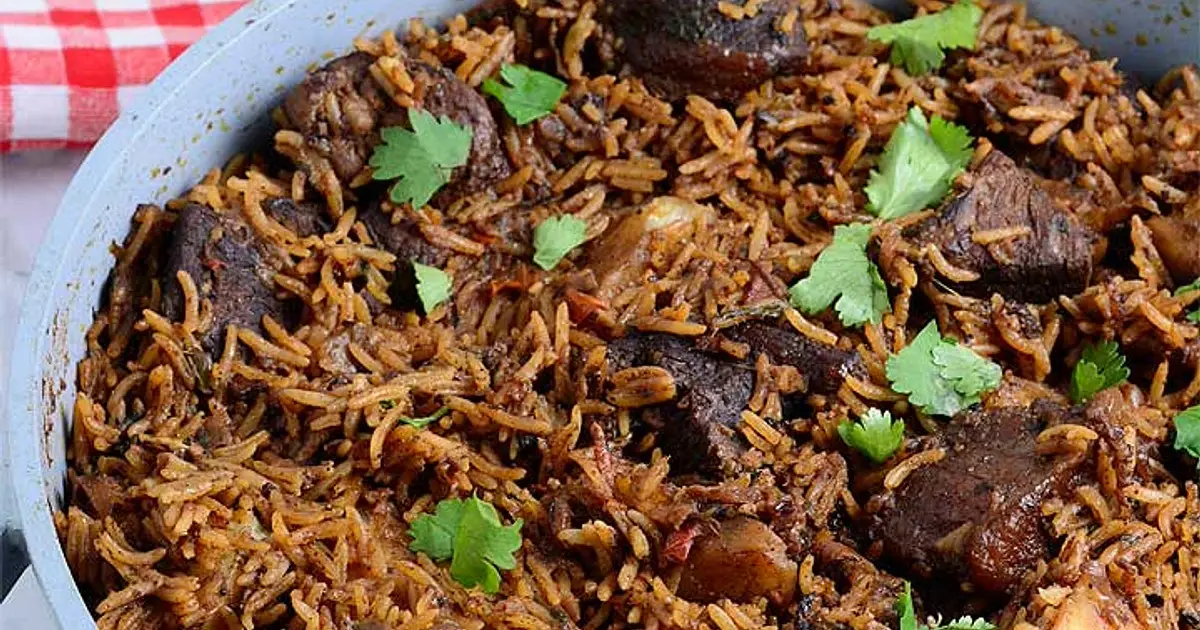
Pilau
Rice cooked with cumin, cardamom, cinnamon and cloves, often with beef or chicken. A favourite at celebrations.
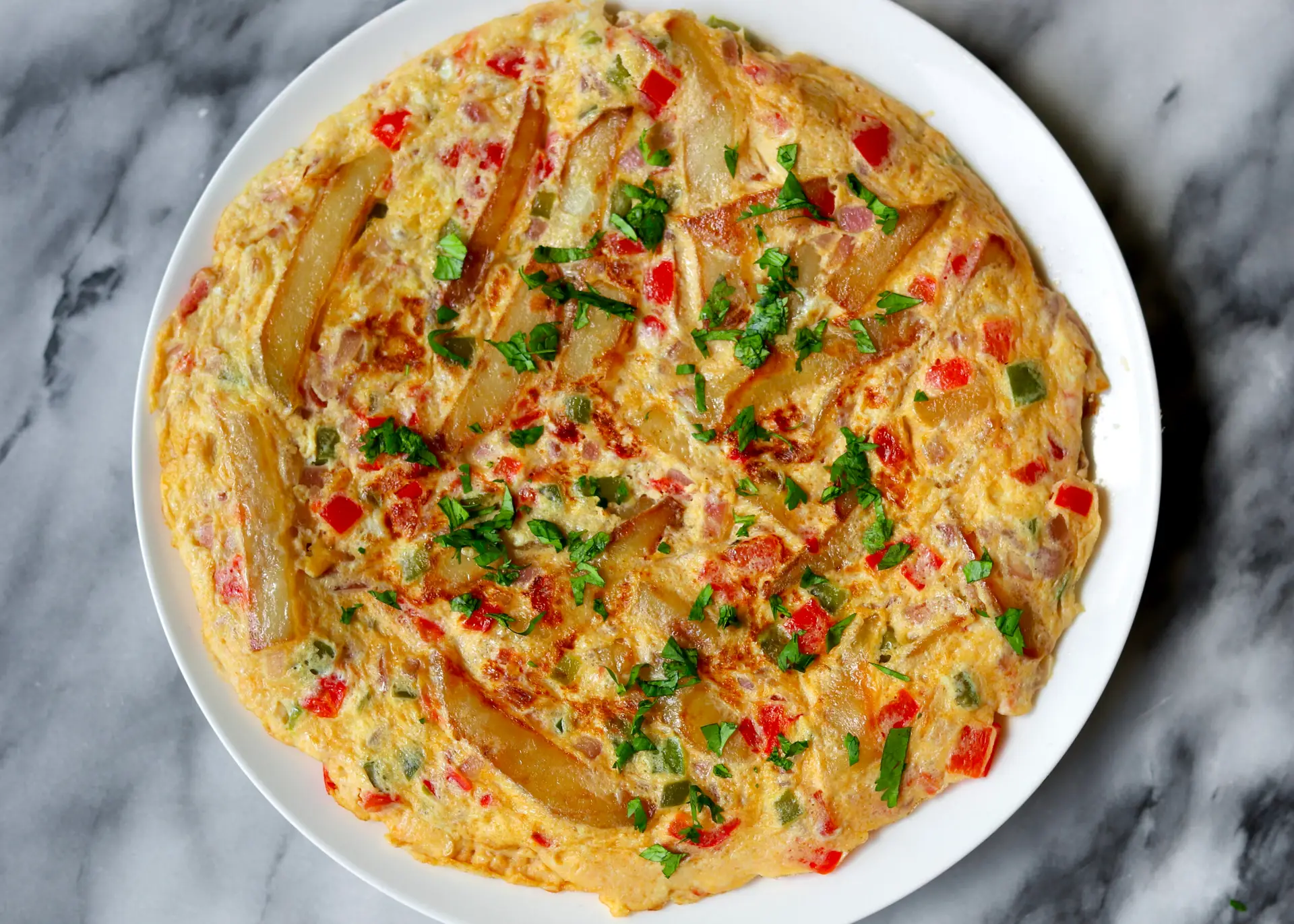
Chips Mayai
A chips omelette: fried potatoes cooked into eggs. Quick, filling and loved across Tanzania.
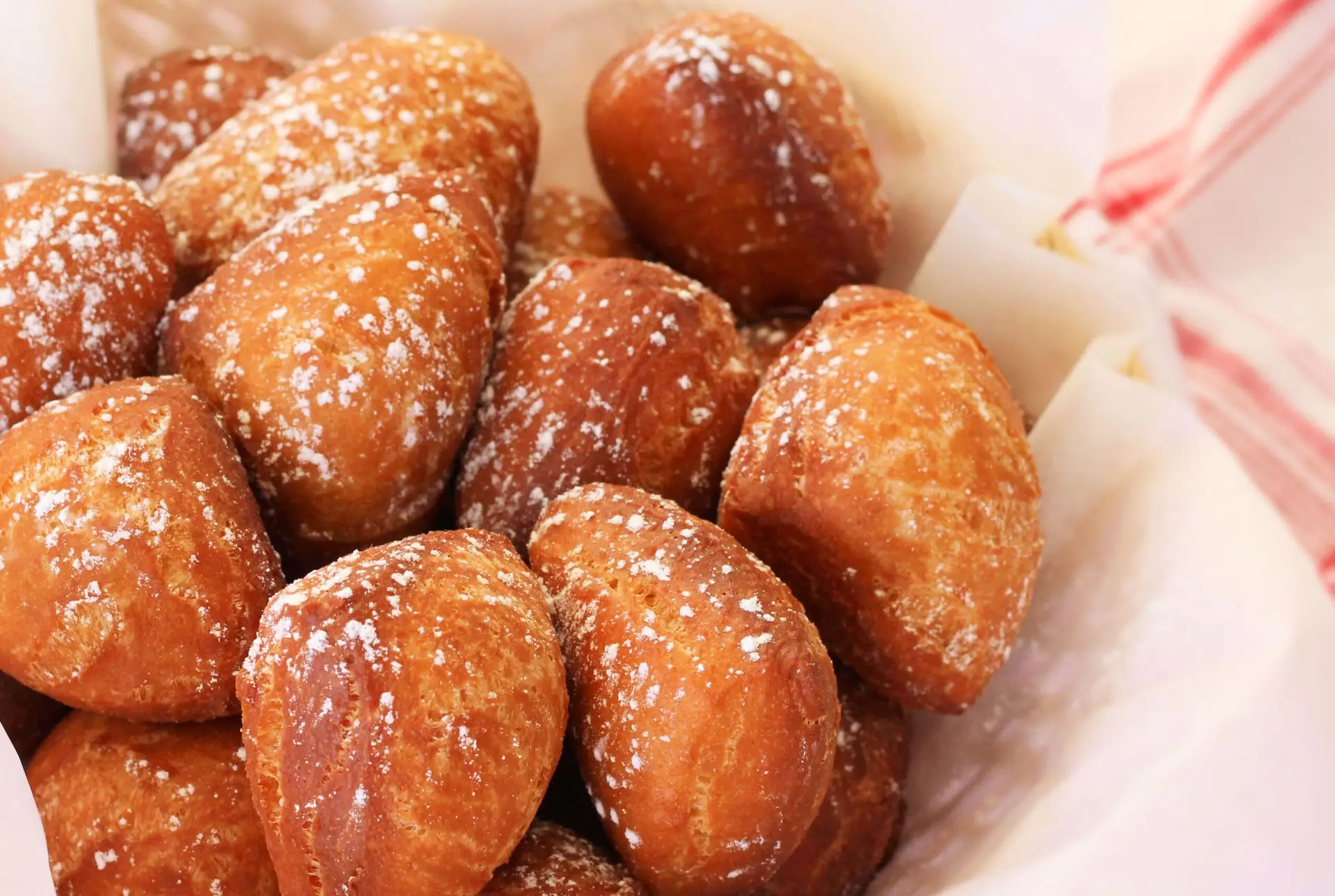
Mandazi
Lightly sweet fried dough, sometimes flavoured with coconut or cardamom. Perfect with chai.
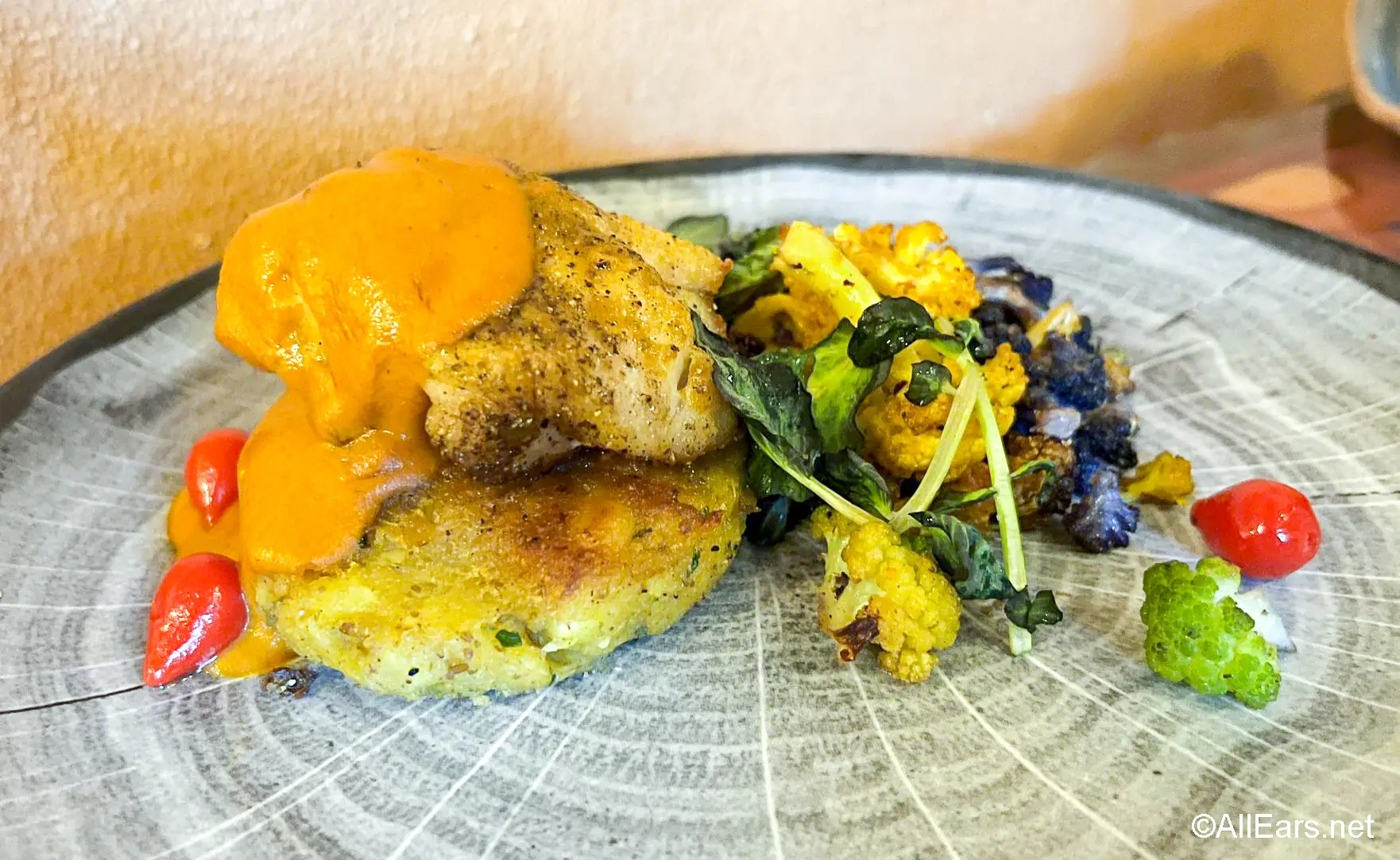
Samaki wa Kupaka
Grilled fish in a rich coconut curry sauce, a highlight of Zanzibar and the coast.
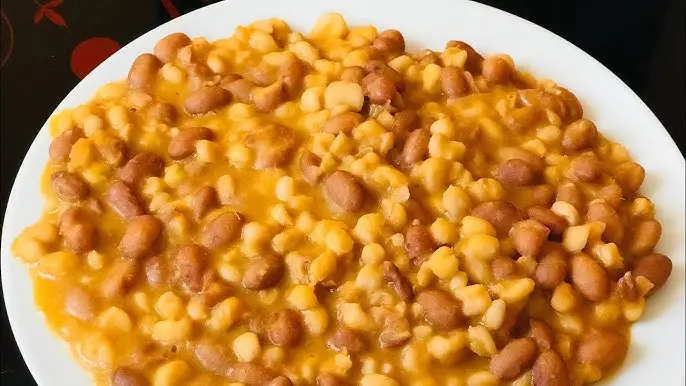
Makande
A hearty stew of maize and beans, slow-cooked with onions and tomatoes.
Staying Hydrated
- Drink bottled or treated water only, not tap water.
- Drinking water is usually available in the safari vehicle during game drives.
- On Kilimanjaro, water is treated or boiled at camp each day.
- Fresh juices, soft drinks and local beers are widely available at lodges.
- Avoid ice in drinks outside of hotels and lodges.
- Hot drinks such as tea, coffee and hot chocolate are served on the mountain every day.
Snacks to Bring from Home
Meals are provided, but a few familiar snacks are a comfort on long drives and on the trail, especially when your appetite drops at altitude.
Tanzania Safari Food FAQs
Is the food safe to eat on a Tanzania safari?
Yes. Lodges and camps that host safari guests prepare food for international travellers every day. Stick to bottled or treated water, wash or sanitise your hands before meals and choose freshly cooked food when eating outside of lodges.
Are meals included on safari and on a Kilimanjaro climb?
On most safari and climbing packages, meals are included as listed in the itinerary. Check the inclusions of your tour, as drinks at lodges are often charged separately.
What do you eat on Kilimanjaro summit day?
Summit night starts after a light snack with hot tea. Carry energy bars, chocolate or sweets in an inside pocket and sip water often. After the summit you’ll return to camp for a meal and rest.
Can I try local Tanzanian food during my safari?
Yes. Many lodges include local dishes on their menus, and you can try street food and Swahili cooking in Arusha and Zanzibar. Ask your guide for their favourite places and dishes.
Will I lose my appetite on Kilimanjaro?
Many climbers do as they go higher. This is common at altitude. Eat small amounts often, choose foods you enjoy and keep drinking water, even if you don’t feel hungry.
Can I get international food on safari?
Yes. Most lodges and camps serve international dishes such as pasta, grilled meat and fish, curries, salads and soups alongside Tanzanian food, so there is always something familiar on the menu.
Can I request special meals or a celebration cake?
Yes. Let us know about dietary needs, allergies, children’s meals or a birthday, anniversary or honeymoon when you plan your trip, and we will share your request with your lodges, guide and mountain cook.