
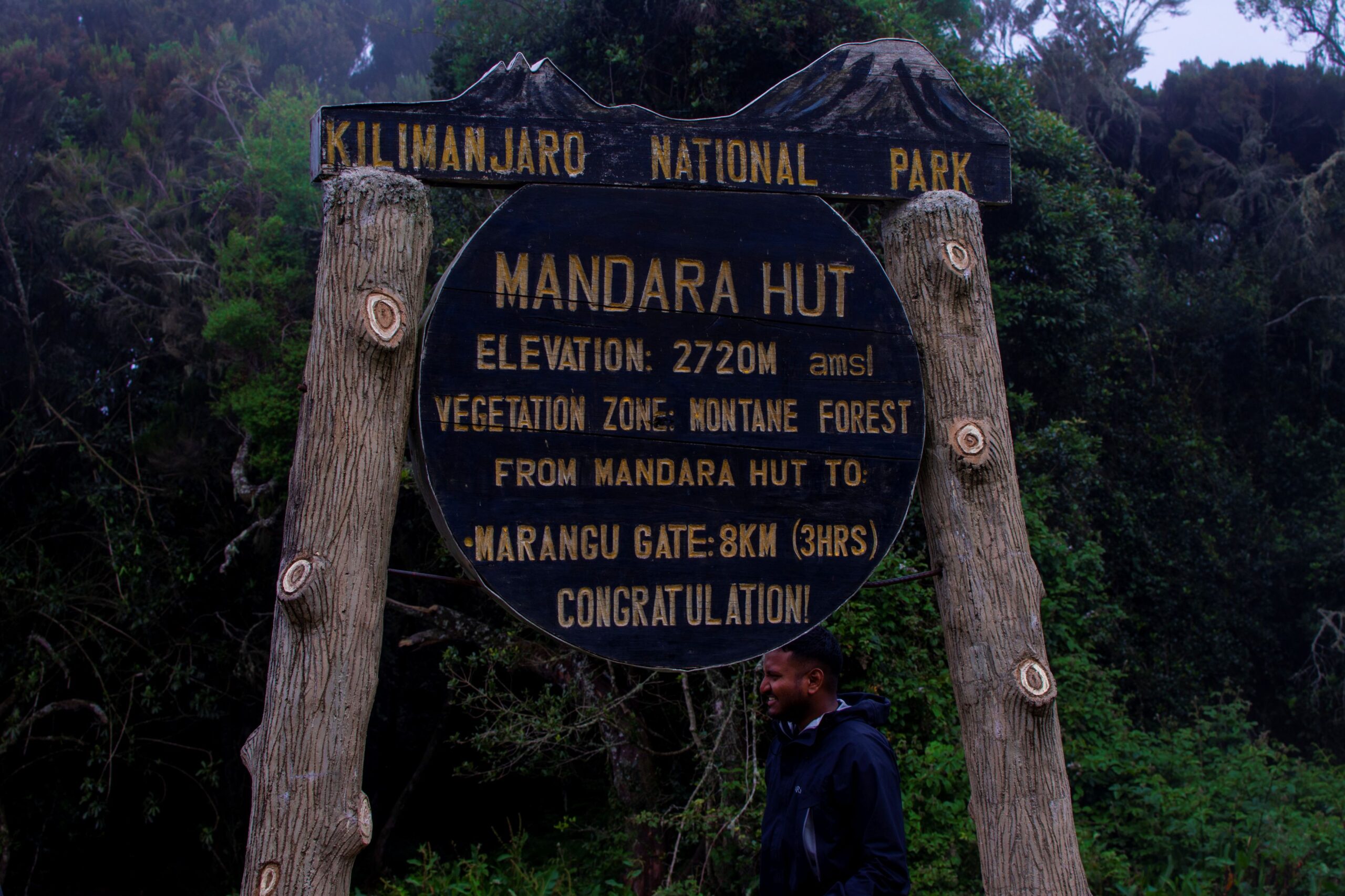
The highest mountain in Africa and the largest free‑standing mountain in the world Kilimanjaro is a dormant volcano with three cones: Kibo, Mawenzi, and Shira. Its summit, Uhuru Peak, is the ultimate dream for adventurers.
On the Mountain
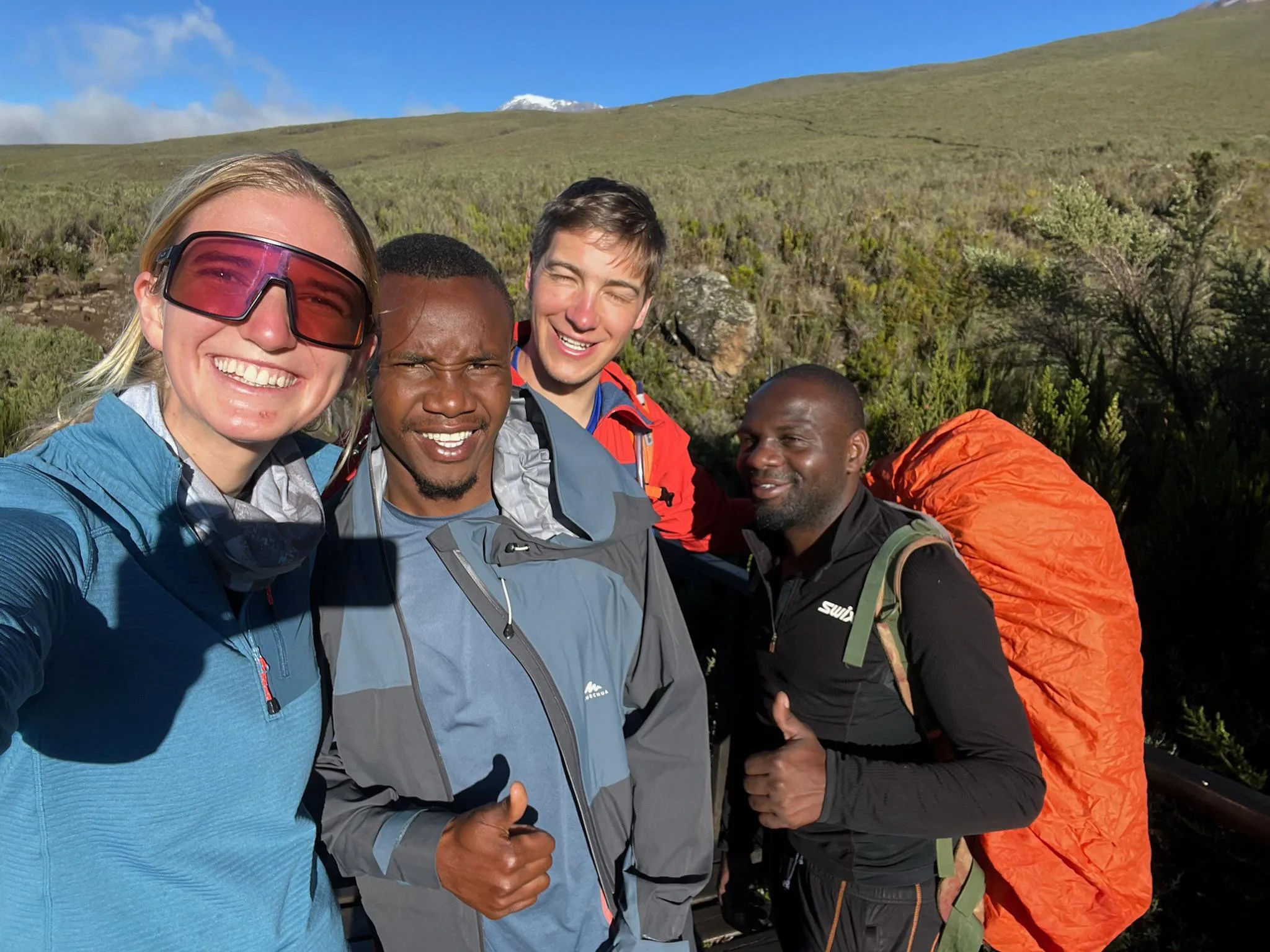
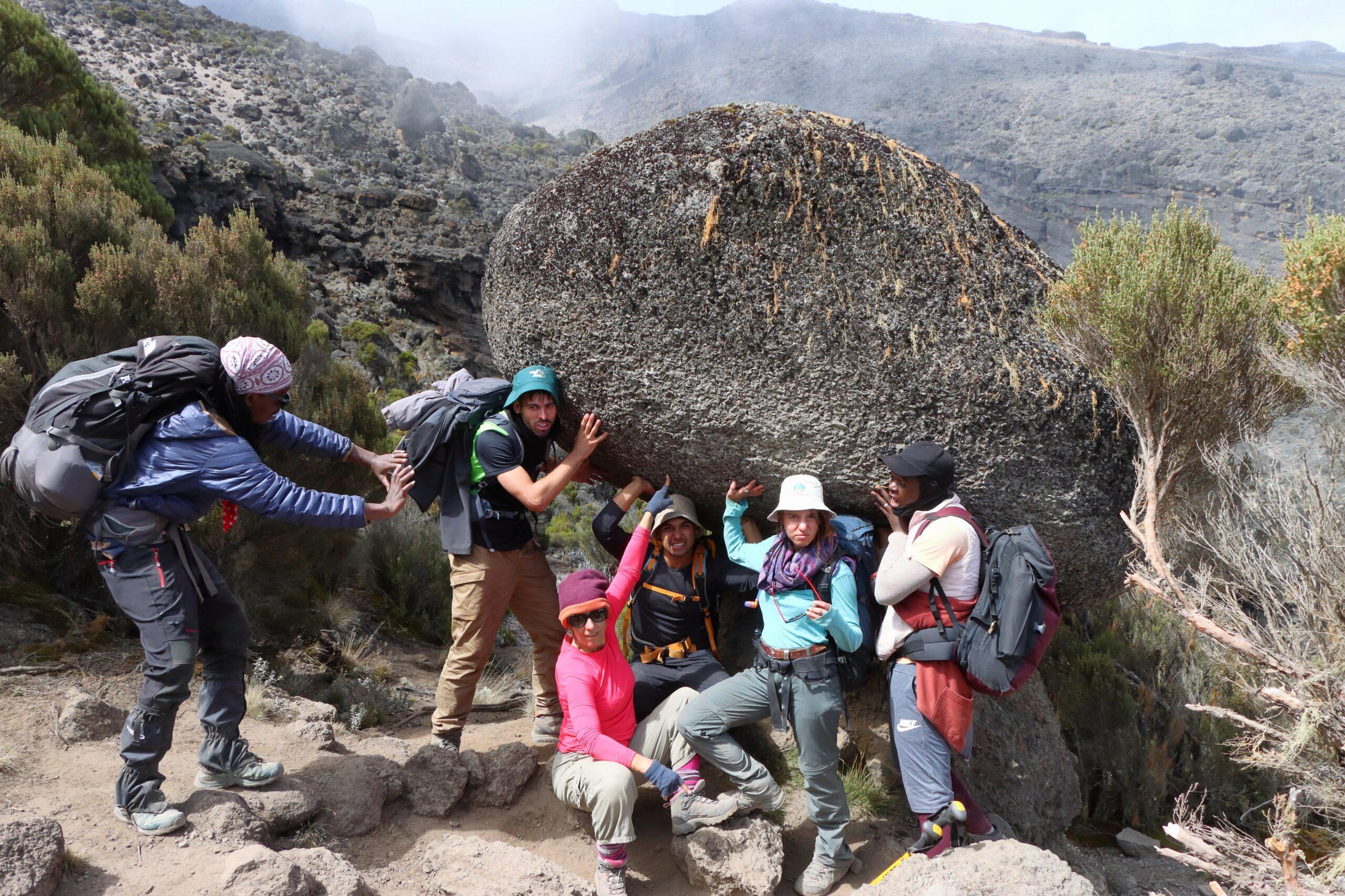
The Short Story of Kilimanjaro
Millions of years ago, powerful volcanic forces created Kilimanjaro. Over time, three cones formed: Shira (oldest, now a plateau), Mawenzi (rugged, dramatic), and Kibo (highest, home to Uhuru Peak). For centuries, the Chagga people thrived on its fertile slopes with coffee and banana farming. In 1848, Johannes Rebmann first reported snow near the Equator; in 1889, Hans Meyer, Ludwig Purtscheller, and Chagga guide Yohani Lauwo made the first successful summit. After Tanzania's independence in 1961, the summit was renamed Uhuru Peak "Freedom Peak" a symbol of achievement and pride. Today, it's a UNESCO World Heritage Site welcoming thousands every year.
Uhuru Peak – The Roof of Africa
At 5,895 m (19,341 ft), Uhuru Peak is the highest point in Africa. "Uhuru" means "Freedom" in Swahili. Standing there is a moment of celebration, personal victory, and a memory to treasure forever with ancient glaciers, endless skies, and a golden sunrise.
What Makes Kilimanjaro Unique?
- Highest mountain in Africa
- Highest free‑standing mountain in the world
- Five distinct ecological zones
- Snow on the Equator
- One of the Seven Summits
- No technical climbing required
- Spectacular sunrise at Uhuru Peak
- UNESCO World Heritage Site
Seven Summits · Kilimanjaro is one of the highest mountains on each continent, making it a bucket‑list adventure for climbers worldwide.
Best Time to Visit
January – March: Cool, clear skies, fewer climbers, snow on summit.
June – October: Dry, sunny, excellent visibility, highest success rates.
November – December: Fewer visitors, green landscapes, pleasant conditions.
April – May: Long rains, muddy trails, cloudy not recommended.
Climbing Routes
The most popular route on the mountain, following the "climb high, sleep low" acclimatization pattern through rainforest, moorland, and alpine desert to Uhuru Peak. View the 6-day Machame trip →
The only route with mountain huts instead of tents, making it a comfortable choice for climbers reaching Uhuru Peak for the first time. View the 5-day Marangu trip →
Five Ecological Zones
Cultivation (800–1,800 m)
Warm, farmland, coffee, bananas, Chagga communities.Rainforest (1,800–2,800 m)
Humid, dense forest, colobus monkeys, birds, butterflies.Heath & Moorland (2,800–4,000 m)
Cool, open landscapes, giant lobelias, groundsels, sunbirds.Alpine Desert (4,000–5,000 m)
Cold, rocky, sparse vegetation, lichens, wide views.Arctic Summit (above 5,000 m)
Extreme cold, snow, glaciers, Uhuru Peak.Kilimanjaro's Glaciers
Due to climate change, the glaciers are shrinking. Climbing today is a rare opportunity to witness these tropical glaciers.
Acclimatisation & Altitude Sickness
Acclimatisation is the process of adjusting to lower oxygen at high altitude. Symptoms can include headache, nausea, fatigue, dizziness, shortness of breath, loss of appetite, and difficulty sleeping. Guides monitor health daily.
- Drink plenty of water
- Walk slowly "Pole Pole" (slowly, slowly)
- Choose longer routes for better acclimatisation
- Eat nutritious meals
- Follow your guide's instructions
Kilimanjaro Terminology
| Term | Meaning |
|---|---|
| Acclimatisation | Body adjustment to high altitude / lower oxygen. |
| Summit | Highest point of a mountain. |
| Trekking | Walking through natural landscapes. |
| Altitude | Height above sea level. |
| Ascent / Descent | Climbing up / coming down. |
| Glacier | Permanent ice mass. |
| Scree | Small loose volcanic rocks. |
| Moraine | Rock/soil left by glaciers. |
| Pole Pole | Swahili for "slowly, slowly" – the recommended pace. |
| Uhuru Peak | Highest point (5,895 m). |
| Porters | Team members who carry supplies. |
| Summit Night | Final overnight climb to Uhuru Peak. |
Frequently Asked Questions
Why Serengeti Wildlife Safaris
- Experienced & licensed mountain guides
- Friendly porters & professional cooks
- High‑quality camping equipment
- Daily health & oxygen checks
- Excellent safety standards
- Airport transfers & personalized service
- High summit success rates
- 24/7 customer support
Quick Facts
| Height | 5,895 m (19,341 ft) |
| Type | Dormant volcano (Kibo, Mawenzi, Shira) |
| Summit | Uhuru Peak (on Kibo) |
| Location | Northeastern Tanzania |
| UNESCO | World Heritage Site |
| Seven Summits | Yes – highest in Africa |
| Best time | Jan–Mar, Jun–Oct |
| Recommended duration | 6–8 days |
| Accommodation | Huts (Marangu) or camping |
| Glaciers | Furtwängler, Rebmann, Credner, Diamond |