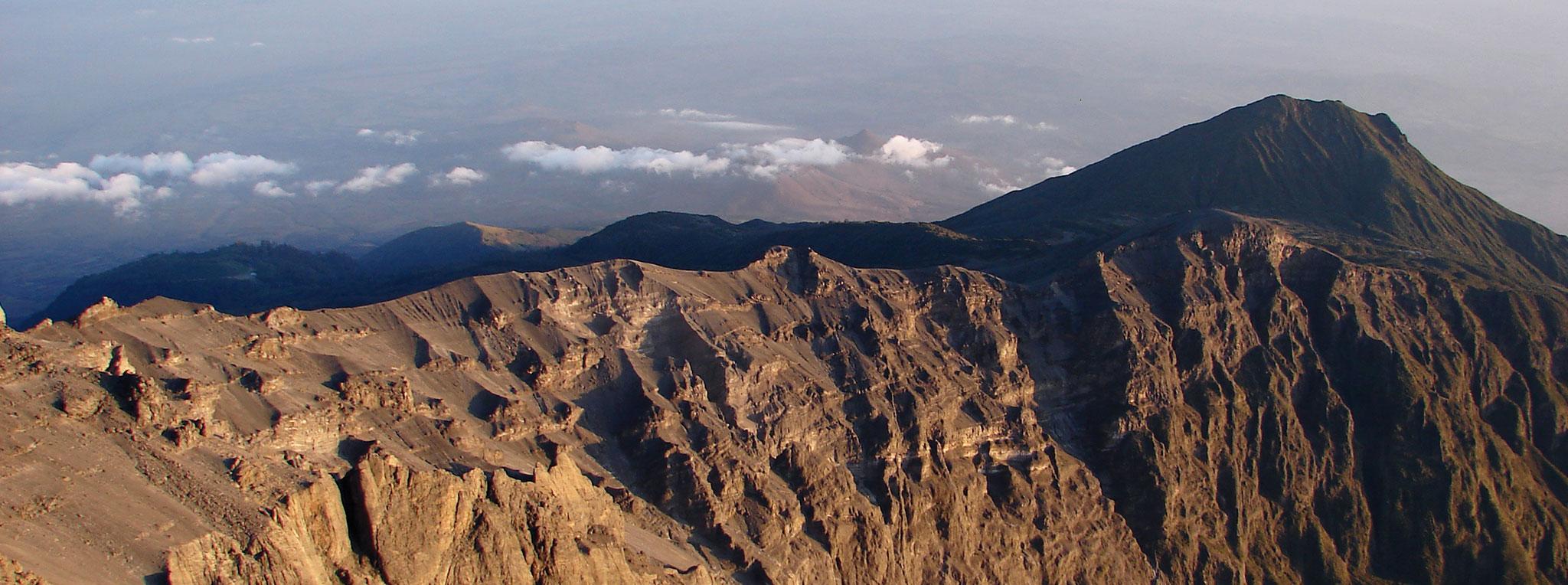
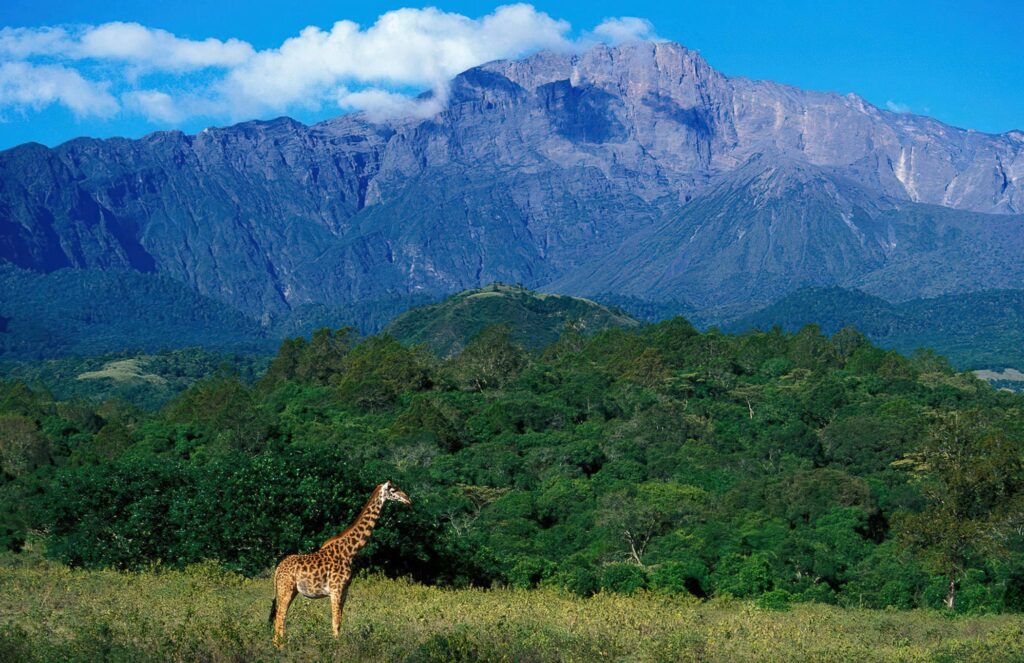
Rising gracefully to 4,562 metres, Mount Meru is Kilimanjaro's beautiful sister a dormant volcano wrapped in rainforest, alive with wildlife, and crowned by the spectacular Socialist Peak.
On the Mountain
The Short Story of Mount Meru
Mount Meru is far more than a mountain to the Wameru (Va-Rwa) people it is the heart of their cultural, spiritual, and historical identity. According to oral tradition, the Wameru settled on its fertile southeastern slopes about 300–400 years ago after migrating from the Usambara Mountains and the Kilimanjaro region, peacefully integrating with the indigenous Koningo people. The mountain has long been regarded as a sacred place where clan elders performed prayers and rituals for rain, health, and community well-being. During the colonial era, Mount Meru became a symbol of resistance as the Wameru defended their ancestral land, and the Meru Land Case of the 1950s played an important role in Tanzania's journey toward independence.
Why Climb Mount Meru?
- Walking alongside wildlife in Arusha NP
- Dense tropical rainforest
- Beautiful waterfalls & streams
- Giant volcanic cliffs
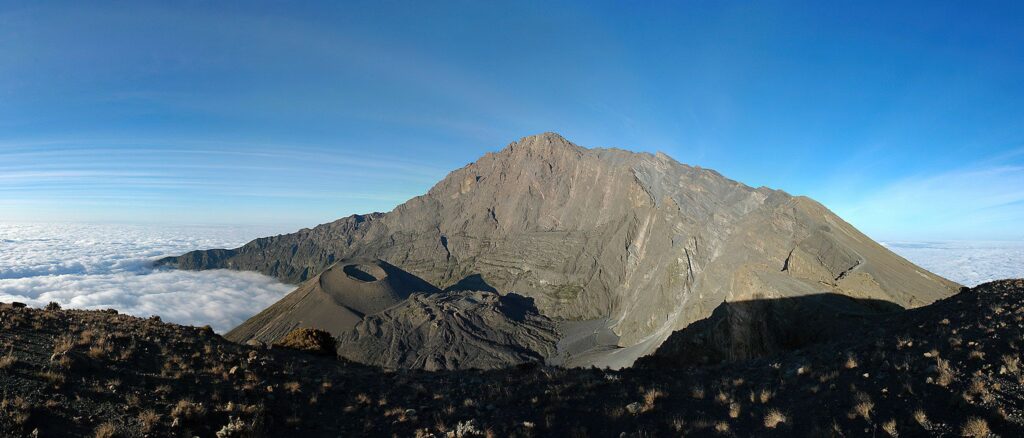
- Spectacular crater views
- Fewer crowds than Kilimanjaro
- Excellent acclimatisation for Kili
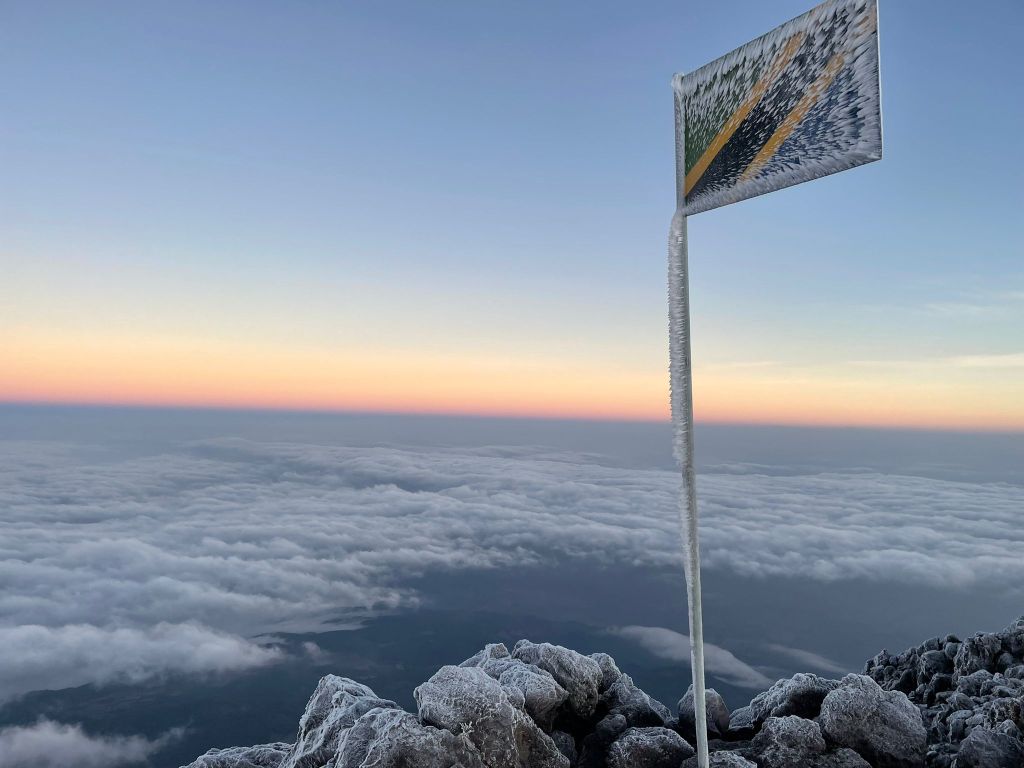
- Incredible sunrise from Socialist Peak
- Stunning views of Mount Kilimanjaro
400+ bird species · colobus monkeys · giraffes · buffaloes · elephants (occasionally) · leopards (rarely) Mount Meru is one of the richest mountains in Africa for biodiversity.
Flora & Fauna
Wildlife: Giraffes, buffaloes, zebras, warthogs, bushbucks, elephants (occasionally), colobus monkeys, blue monkeys, hyenas, leopards (rarely seen).
Birds: More than 400 bird species recorded in Arusha National Park.
Plants: Giant heather, giant lobelia, wild olive, juniper trees, cedar forest, giant groundsel, bamboo, wildflowers.
Mountain Terminologies
| Term | Definition |
|---|---|
| Altitude | The height above sea level. |
| Summit | The highest point of a mountain. |
| Trekking | Walking long distances through natural environments. |
| Acclimatization | Allowing your body to adjust gradually to higher altitude. |
| Ascent / Descent | Journey uphill / back down the mountain. |
| Crater / Ash Cone | Volcanic depression; smaller cone inside Meru's crater. |
| Ridge | Narrow elevated section connecting slopes. |
| Porter / Guide / Ranger | Team member who carries equipment; professional leader; armed park ranger. |
Ecological Zones of Mount Meru
1. Cultivated Foothills (1,200–1,500 m)
Local communities, fertile farmland. Coffee, bananas, maize, vegetables, flowers.
2. Montane Forest (1,500–2,800 m)
Dense rainforest with tall trees, mosses, waterfalls, buffaloes, giraffes, monkeys, many birds.
3. Heath and Moorland (2,800–4,000 m)
Open landscapes, giant heather, giant lobelia, colourful wildflowers, sweeping views.
4. Alpine Desert & Summit Zone (Above 4,000 m)
Rocky, exposed, sparse vegetation. Volcanic ash, rugged ridges, crater landscapes, Socialist Peak with views of Kilimanjaro.
Best Time to Visit
January – March: Warm, clear skies, lush green, excellent sunrise views.
June – October: Most popular season; cool, dry, firm trails, panoramic views, wildlife easier to spot.
November – December: Short rains, greener, quieter, occasional showers.
March – May: Long rains, muddy trails, fewer crowds for adventurous hikers.
Choose Your Climb
Both itineraries follow the Momella Route the only official trekking route on Mount Meru and differ mainly in pacing and acclimatisation time.
4-Day Itinerary in Detail
Scenic hike through lush forest, with a good chance of spotting giraffes, buffalo, and birdlife.
A gradual ascent into alpine meadows and rugged terrain, with views of Meru's crater and Kilimanjaro in the distance.
Midnight summit push to reach the Peak by sunrise, with panoramic views over the Serengeti Plains, Ngorongoro Crater, and Kilimanjaro then descend back to Miriakamba for the night.
A relaxed final descent through the forest, with a good chance of more wildlife sightings before your exit formalities at the gate.
Accommodation
Before the climb: Arusha Gran Meliá, Four Points, Forest Hill, Kibo Palace, Mount Meru Hotel.
On the mountain: Comfortable huts (no tents) Miriakamba Hut (2,500 m) and Saddle Hut (3,570 m), with beds, dining, and toilets.
Why Serengeti Wildlife Safaris
- Experienced mountain team — professional guides, cooks, porters.
- Safety first — daily health checks, acclimatisation monitoring.
- Quality equipment — clean, reliable gear.
- Personalised service — solo, couples, families, groups.
- Local knowledge — Tanzanian-owned, authentic experiences.
- Seamless travel — transfers, accommodation, safari extensions.
- Excellent support — before, during, after your trip.
Quick Facts
| Height | 4,562 m (14,968 ft) |
| Location | Arusha National Park |
| Type | Dormant volcano · last minor activity 1910 |
| Summit | Socialist Peak |
| Route | Momella Route (only official) |
| Best time | Jan–Mar, Jun–Oct |
| Duration | 3 or 4 days |
| Accommodation | Mountain huts (Miriakamba & Saddle) |
| Wildlife | Giraffes, buffaloes, zebras, monkeys, 400+ birds |
| Cultural significance | Sacred to the Wameru people |